If you’ve searched “implant look like,” the short answer is yes — dental implants can look like real teeth. When people ask “do implants look natural?” they mean whether the visible tooth matches color, shape, and the way gums frame it. This post explains how implants are made, what affects their appearance, how to care for them, and when to see a specialist. If you’re curious about an implant look like in The Woodlands, TX, read on for practical expectations.
How an implant can “implant look like” a natural tooth
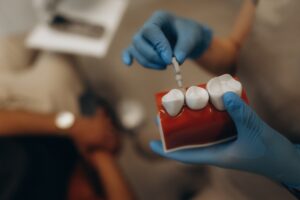
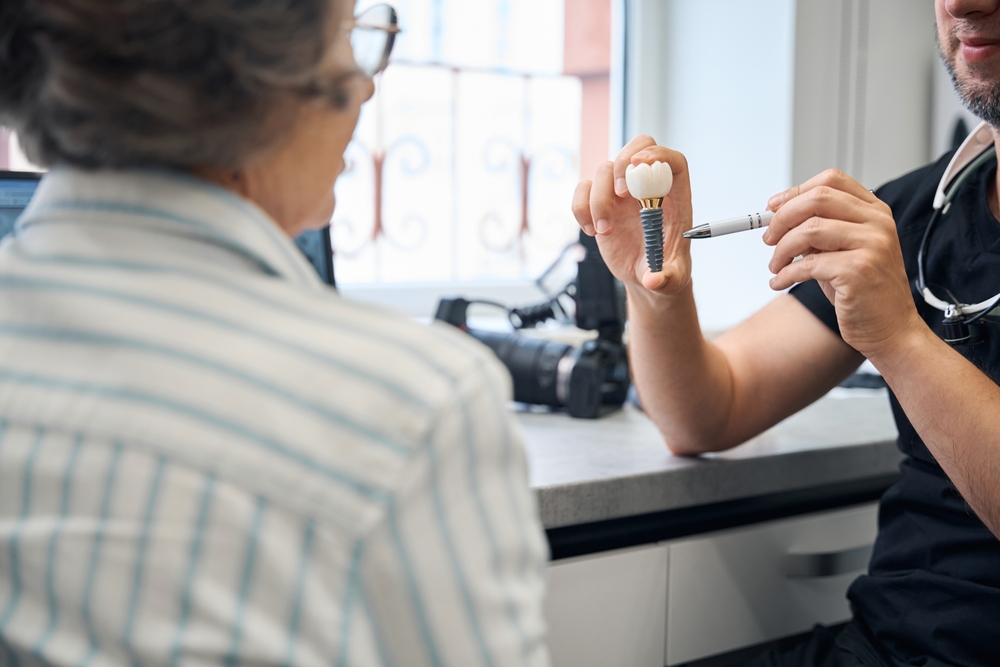
An implant restoration has three parts: the implant post (titanium or ceramic) that sits in the bone, the abutment that connects the post to the crown, and the crown — the visible tooth. The crown is custom-made to match neighboring teeth, so it’s what most people notice. Modern workflows use digital scans and lab milling to make crowns that match texture and translucency, helping an implant look like a natural tooth.
Materials that change the final look
Zirconia (full ceramic) crowns give very natural translucency and resist dark lines at the gum. Porcelain-fused-to-metal (PFM) can be strong but sometimes shows a metal rim at the gum over time. Full-ceramic crowns and biocompatible ceramic implants remove metal from the picture, often giving the best aesthetics. Ceramic implants also avoid gray tones showing through thin gums, so they can improve how an implant look like natural tooth overall.
Key factors that make implants look natural
Shade, shape, and size matching
Color matching uses custom shades and layers of porcelain to mimic enamel and dentin. Technicians design the exact shape and size so the crown fits the smile line and bite. Good communication and photos from the patient help precision.
Gum contour and tissue health
Healthy gums, correct gum height, and full papillae (the triangular gum between teeth) make a big visual difference. Gum recession or inflammation can expose metal abutments or create gaps that make an implant look less natural.
Placement and angulation
Precise implant placement and angulation — often planned with CBCT imaging — ensure the crown sits in the right spot and the bite is balanced. Poor angulation can force crown shapes that look bulky or out of place.
What to expect visually during the process
You’ll often get a temporary crown first. Temporaries help shape the gum and let you test appearance and function. Final crowns usually come 3–6 months after implant placement, once bone and gum have healed. Color and contour may improve as tissues settle, so the final restoration will generally look more natural than the temporary.
How to care for implants so they keep looking like real teeth
Brush twice daily with a soft brush, floss or use interdental brushes, and keep regular cleanings. Avoid using teeth as tools and limit staining foods if you want to keep color consistent. Watch for signs that affect appearance: gum recession, swelling, or mobility. If you notice changes, schedule a check so problems can be treated before cosmetic issues worsen.
Why a specialist matters for the most natural results
A board-certified periodontist trained in implantology can plan placement with CBCT imaging, choose biocompatible ceramic implants when appropriate, and work with an in-house lab for custom crowns. At Dental Specialists & Implant Center, Dr. Adriana Wells combines advanced implant training, CBCT-guided planning, and ceramic implant options to help implants look like natural teeth while supporting long-term health and predictable results.
Next steps: consultation checklist and call to action
Bring recent photos, dental history, and any X-rays. Ask: How will you match shade and shape? Do you offer ceramic implants? Will you use CBCT and an in-house lab? What is the timeline from placement to final crown? Ready to see how an implant look like in The Woodlands, TX? Schedule a consult to review options, see sample restorations, and get a personalized plan.