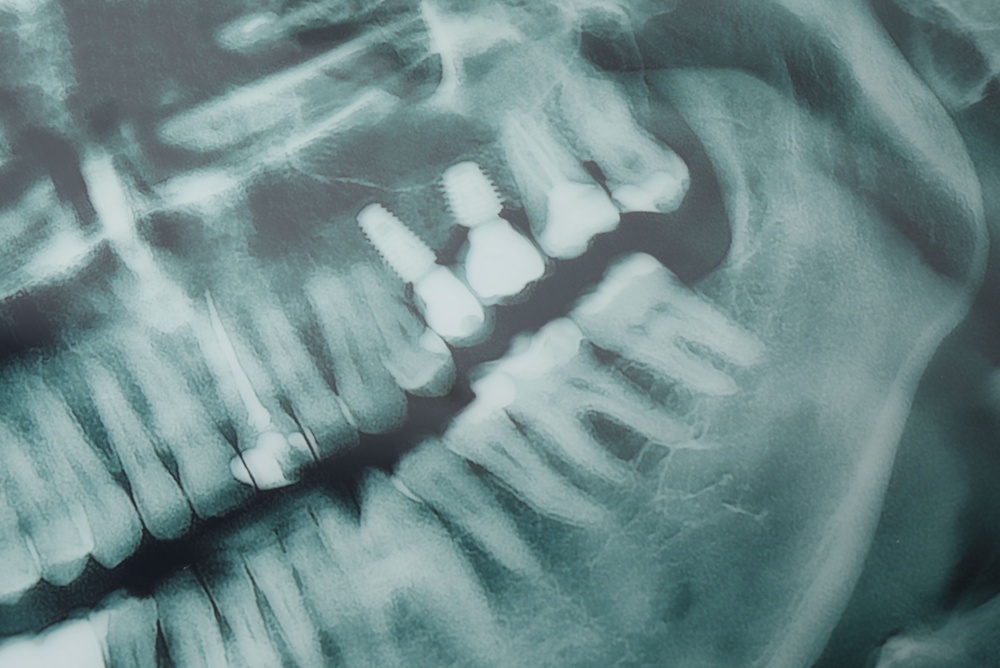
Implants in dental are a permanent way to replace missing teeth. In plain terms, an implant is a metal or ceramic post placed into your jaw to act like a tooth root. People who lose teeth from decay, injury, or age often consider implants in dental because they restore chewing, speech, and the look of a natural tooth.
What Are Implants In Dental?
An implant is made of three main parts: the implant (the post that goes into bone), the abutment (a connector), and the crown (the visible tooth). Unlike dentures that sit on gums or bridges that use neighboring teeth for support, implants replace the root. This helps keep jawbone strong and gives more stability than removable options.
Who Is A Good Candidate For Implants In Dental?
General health and habits
Good overall health helps implants heal. Conditions like uncontrolled diabetes, autoimmune disease, or medications that affect bone healing can raise risks. Smoking slows healing and can increase implant failure. Your doctor will review your medical history and habits to see if implants in dental are right for you.
Oral health and bone needs
Healthy gums and enough jawbone are needed to hold an implant. If bone has shrunk after a long-term missing tooth, bone grafting can rebuild it. Treating gum disease before placement is important. Many patients who once thought they were not candidates can become good candidates after simple preparatory treatments.
Types of Implants and Materials
Most implants are titanium because it bonds well with bone and has a long track record. Ceramic (zirconia) implants are a metal-free option for people worried about metal sensitivity or who want the best match for tooth color. Each has pros and cons: titanium is very durable; ceramic is highly biocompatible and more aesthetic in some cases. Implants can support a single crown, several teeth on a bridge, or a full-arch solution like fixed implant-supported dentures.
The Typical Implant Process
Consultation and planning
A consult includes an exam, medical review, and imaging. Cone beam CT (CBCT) scans map bone, nerve paths, and sinus locations for precise planning. Good planning reduces surprises and speeds treatment.
Surgery to placement and restoration
If a tooth needs removal, that may occur first. The implant is placed into the jaw and left to heal and fuse with bone (osseointegration), which can take weeks to months. After healing, an abutment is attached and a custom crown is placed. Practices with an in-house lab can make restorations faster and fit more accurately.
Benefits, Risks, and Longevity
Benefits include stable chewing, bone preservation, natural appearance, and no need to alter adjacent teeth. Risks are infection, nerve irritation, sinus issues, or implant loss—most are uncommon with skilled care. With good oral hygiene and regular checkups, implants often last 15–25 years or longer.
How To Decide If Implants In Dental Are Right For You
Compare implants to bridges and dentures by looking at cost, timeline, health needs, and appearance goals. Ask your provider about success rates, materials, expected recovery time, and alternative options. Consider how important chewing strength and long-term bone health are to you.
Why Choose Dental Specialists & Implant Center For Implants In Dental
Dental Specialists & Implant Center in The Woodlands, TX offers board-certified periodontist Dr. Adriana Wells, CBCT imaging, dental lasers, ceramic implant options, and an in-house lab. This combination supports precise planning, comfortable care, and metal-free choices when desired.
Next Steps & Call To Action
Bring a list of medications, medical history, and any dental X-rays to your consult. Ask about financing and insurance coverage. If you’re ready to learn if implants in dental in The Woodlands, TX are right for you, schedule an evaluation to get a personalized plan.