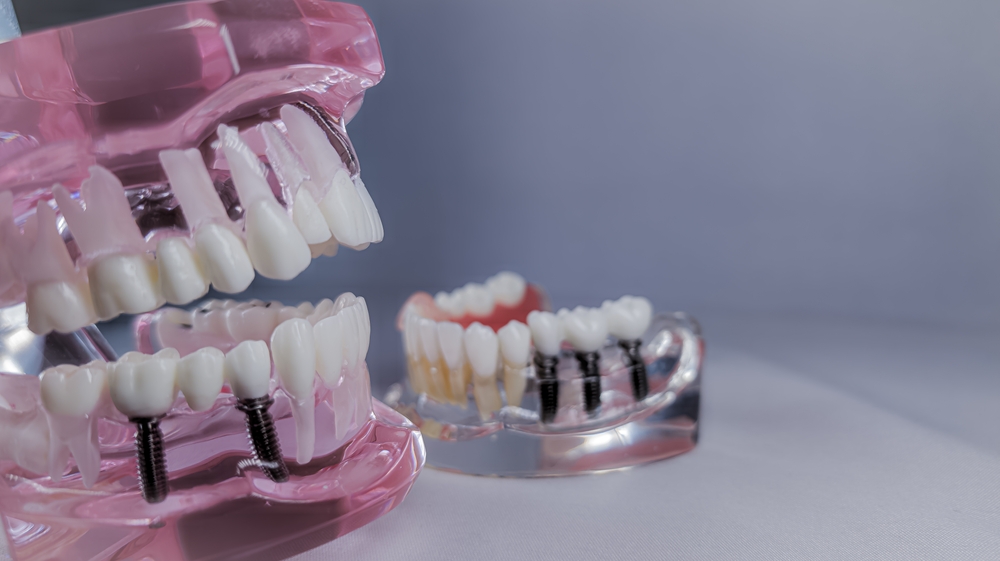
An abutment for implant is the small connector that links the buried implant “root” to the visible crown, bridge, or denture. It may seem minor, but the right abutment matters for how your tooth looks, how well you chew, and how long the implant lasts. Choosing the correct type, material, and design helps protect bone and gum health and gives a natural final result. If you’re getting care near The Woodlands, knowing what an abutment for implant does will help you ask the right questions and make better choices.
What an abutment for implant actually does?
An abutment is the mechanical link between the titanium or ceramic implant fixture and the visible restoration. It transfers chewing forces from the crown down into the implant and surrounding bone, gives stability to the final tooth, and defines the emergence profile where gum tissue meets the restoration. A well-chosen abutment helps prevent loosening, reduces stress on bone, and creates a natural-looking gum line.
Common types of abutments
Prefabricated (stock) abutments
Stock abutments come ready-made in standard shapes and sizes. They’re often used when implants are placed in straightforward positions. Pros: lower cost and faster delivery. Cons: fit and gum shaping may be less precise, which can affect long-term tissue health and appearance.
Custom abutments
Custom abutments are milled to match your implant position, gum contour, and final tooth shape. They give a better fit, improved emergence profile, and superior aesthetics—especially important for front teeth. Custom pieces usually yield better long-term gum stability and a more natural look.
Materials: titanium vs. ceramic (zirconia)
Titanium is strong, highly biocompatible, and often used for all positions. Zirconia (ceramic) abutments offer improved aesthetics where the gum is thin or the implant is visible when smiling. Zirconia can reduce grayish shadowing but may be less forgiving under extreme load. Your clinician will balance strength needs with cosmetic goals.
When and how an abutment is placed
After implant placement, you’ll wait for osseointegration—usually a few months—so the bone bonds to the implant. At that point the dentist or specialist exposes the implant and attaches a healing cap, then takes an impression or digital scan to design the abutment. Modern care often uses CBCT imaging and digital workflows for precise planning and fabrication. Once the abutment fits properly, the final crown, bridge, or denture is secured.
Signs of abutment issues and how to care for them
Watch for loosening, pain, persistent swelling, gum bleeding, or a change in bite. These can signal an abutment or implant problem. At home, maintain good oral hygiene with brushing and flossing around the restoration and use interdental brushes as recommended. See your dentist for regular checks and professional cleanings; address any symptoms quickly to avoid bigger problems.
How the abutment choice affects function and appearance?
Abutment shape and material influence chewing efficiency, gum support, and smile appearance. A poorly fitting abutment can collect plaque, irritate gums, and create a visible margin. In contrast, a well-designed abutment supports healthy gum contours, distributes forces correctly, and makes the final tooth look and feel like a natural tooth—especially in the smile zone.
Why a specialist matters for abutment selection?
A board-certified periodontist with CBCT and digital planning experience can predict tissue behavior and choose the best abutment design. Using an in-house lab and digital workflows speeds up adjustments and improves fit. In places like The Woodlands, TX, seeing a specialist gives access to advanced options—such as ceramic implants and custom abutments—that improve long-term results.
When to consult a clinician about your abutment for implant?
See a clinician if you have pain, loosening, swelling, or if your final restoration is delayed. Ask about abutment material, custom vs. stock options, digital planning, and how the choice will affect gum health and appearance. If you’re near The Woodlands, TX, schedule an evaluation with a specialist to review your case and get a plan tailored to function and aesthetics.