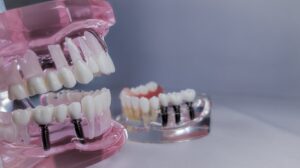

Modern implant systems combine an implant fixture, an abutment, and a prosthetic restoration to replace a tooth or several teeth. Traditional metal systems use titanium fixtures; newer systems include biocompatible ceramic options. When people talk about implant systems, they mean the whole package—materials, connection types, and the lab or digital workflow that makes the final tooth fit and function.
Key parts of implant systems
The implant fixture
The fixture is the screw placed into the jawbone. Most are titanium, known for strength and osseointegration (bone bonding). Ceramic fixtures offer a metal-free alternative with good biocompatibility and better aesthetics for thin gum tissue. Choice of material affects healing and long-term health.
Abutments and connections
Abutments connect the fixture to the crown or bridge. Types include stock, angled, and custom abutments. Connection designs—internal hex, conical, or morse taper—impact stability, micro-movement, and how easy repairs are. The right abutment improves aesthetics and reduces the risk of loosening.
Prosthetic restorations
Restorations include single crowns, implant-supported bridges, and full-arch prostheses. CAD/CAM-made crowns fit more precisely and can be milled from zirconia or layered porcelain. How a restoration attaches—cemented or screw-retained—affects retrievability and maintenance within the implant system.
How technology improves implant systems?
CBCT imaging gives 3D views of bone and nerves for precise implant placement. Digital planning software lets clinicians place virtual implants before surgery, reducing surprises. CAD/CAM and an in-house lab speed custom restorations and improve fit. Lasers and minimally invasive tools reduce tissue trauma and speed recovery. In practices offering implant systems in The Woodlands, TX, these tools help deliver predictable, faster care.
Benefits patients get from modern implant systems
Modern implant systems give predictable outcomes, natural aesthetics, and strong long-term function. Ceramic options can improve biocompatibility and look more natural under thin gums. Digital workflows shorten lab times and help create restorations that fit better. Overall, the features of modern implant systems translate to fewer surprises and faster, more comfortable healing.
Risks, limitations, and how implant systems reduce them
Common complications include infection, bone loss, and nerve irritation. Modern implant systems paired with CBCT planning, precise surgical guides, and proper connection designs lower these risks. Some patients still need bone grafting or staged care if bone is thin or missing. Good planning and the right system reduce complications but don’t eliminate the need for careful assessment.
Questions to ask when evaluating implant systems
– Which implant systems and materials do you use? – Do you offer ceramic (metal-free) implant options? – What imaging and digital workflows support planning? – Are restorations made in-house or by an external lab? – What are your success rates, follow-up protocol, and warranties?
Why a specialist matters for complex implant systems?
For complex cases, a board-certified periodontist brings added training in planning and placement. Dental Specialists & Implant Center and Dr. Adriana Wells use CBCT, an in-house lab, ceramic implants, and lasers to plan and place complex implant systems with an evidence-based, whole-body approach. Conclusion Modern implant systems offer safer, more aesthetic tooth replacement when combined with digital planning and specialist care. Ask specific questions about implant systems at your next consult to ensure the materials, imaging, and lab workflow match your needs.