Thinking about whether an implant molar is right for you? An implant molar replaces a missing back tooth with a post and a crown, restoring chewing function, supporting jawbone health, and protecting nearby teeth. This post explains what an implant molar is, who qualifies, the steps of treatment, risks, alternatives, cost basics, and how to pick the right provider for an implant molar in The Woodlands, TX.
What is an implant molar?
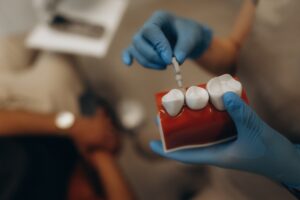
An implant molar is a metal or ceramic post placed in the jaw where a molar was lost. After the post is bonded to the bone, a crown is attached to restore the tooth. Implant molars allow you to chew normally, help prevent bone loss, and avoid placing extra stress on neighboring teeth, unlike a bridge.
Who is a good candidate for an implant molar?
Overall health and medical factors
Good general health helps implants heal. Conditions like uncontrolled diabetes, certain autoimmune diseases, heavy smoking, or medications that weaken bone healing can make implants riskier. Your provider will review your medical history and medicines before recommending an implant molar.
Bone quality and quantity
You need enough jawbone where the molar sits. If the bone is thin or has shrunk, a bone graft can rebuild the area. Many patients who require additional bone can still receive an implant molar after undergoing grafting.
Oral health and hygiene
Healthy gums and a commitment to daily oral care matter. Active gum disease should be treated first. You’ll need regular checkups and cleanings to protect the implant molar in the long term.
What to expect during an implant molar procedure
Consultation and imaging
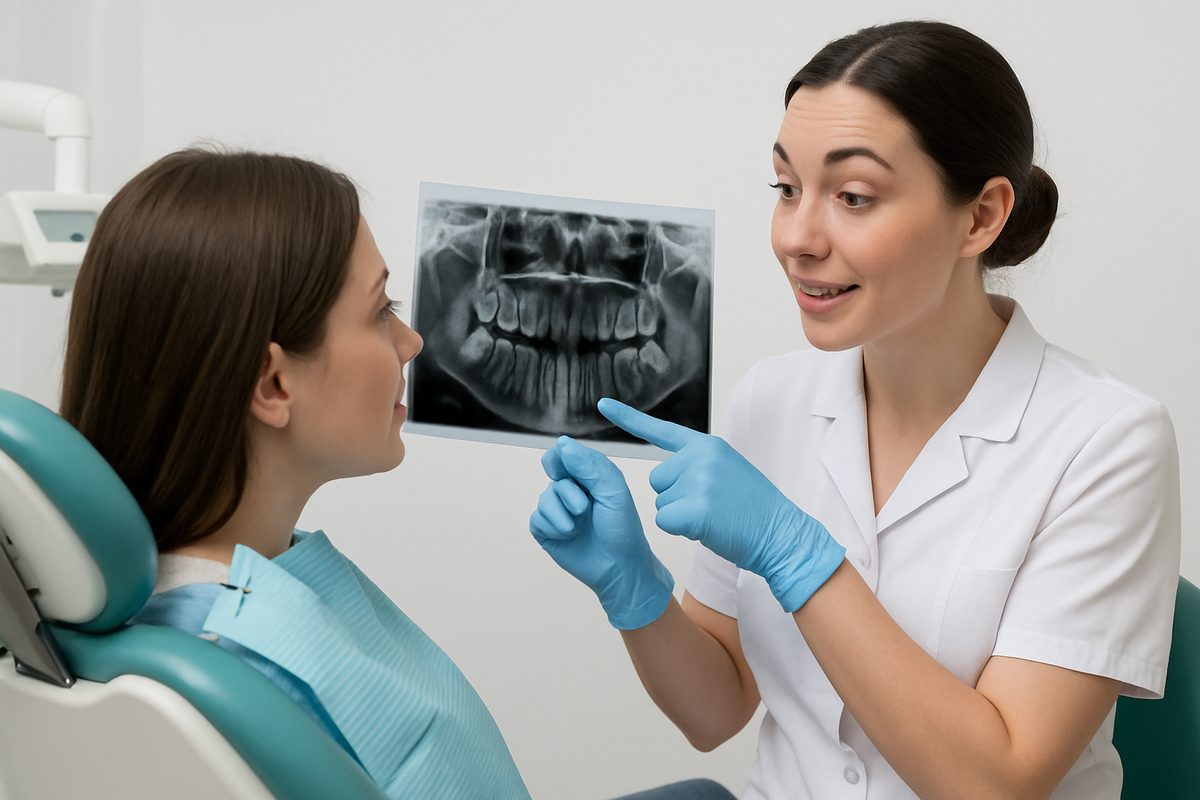
Expect a comprehensive exam and 3D imaging (CBCT) to assess the bone and surrounding nerves or sinuses. The plan will outline the steps and timeline for your implant molar treatment.
Surgery and healing phases
Surgery places the post into the jaw. Healing time (osseointegration) takes several months as bone fuses to the post. Temporary restorations can be used for both function and comfort during the healing process.
Final crown and bite checks
Once healed, an abutment and final crown are placed. Your dentist will adjust the bite so the implant molar chews smoothly with the rest of your teeth.
Risks, complications, and how likely they are
Common issues include infection, slow healing, or implant failure. Upper molars can have sinus concerns; lower molars can be near nerves. Good hygiene, treating gum disease promptly, and quitting smoking all have high success rates when planning and care are done well.
Alternatives to an implant molar
A fixed bridge uses nearby teeth as anchors but requires altering healthy teeth. A removable partial denture is less expensive but less stable. Implants last longer and protect adjacent teeth, but cost and surgery are factors to weigh.
Cost overview and insurance considerations for an implant molar
The cost depends on additional procedures such as (extraction and bone graft), material (titanium vs. ceramic), and laboratory work. Many practices offer financing plans. Dental insurance may cover part of the crown or related work, but often not the complete implant; check benefits beforehand.
How to choose the right provider for an implant molar
Look for a board-certified periodontist who utilizes CBCT imaging, offers an in-house laboratory, and has experience with both ceramic and titanium implants. Ask about training, success rates, and the technology they use for planning an implant molar in The Woodlands, TX.
Next steps if you’re considering an implant molar
Schedule a consultation, bring all relevant information, abone-healing timelines (magnetics (magnetic vs titanium) and expected recovery. If you want specialized care, consider a board-certified periodontist like Dr. Adriana Wells at Dental Specialists & Implant Center in The Woodlands, TX, who offers CBCT planning, ceramic implant options, and an in-house lab for predictable implant molar outcomes.