Many patients ask whether a metal implant is the best choice for replacing a missing tooth. A metal implant is a small screw, typically made of titanium, that is placed into the jawbone to secure a crown, bridge, or denture. This post explains what a metal implant is, its primary advantages and disadvantages, alternatives such as ceramic implants, the evaluation process for candidates, and practical next steps, enabling you to make an informed decision with confidence.
What Is a Metal Implant?
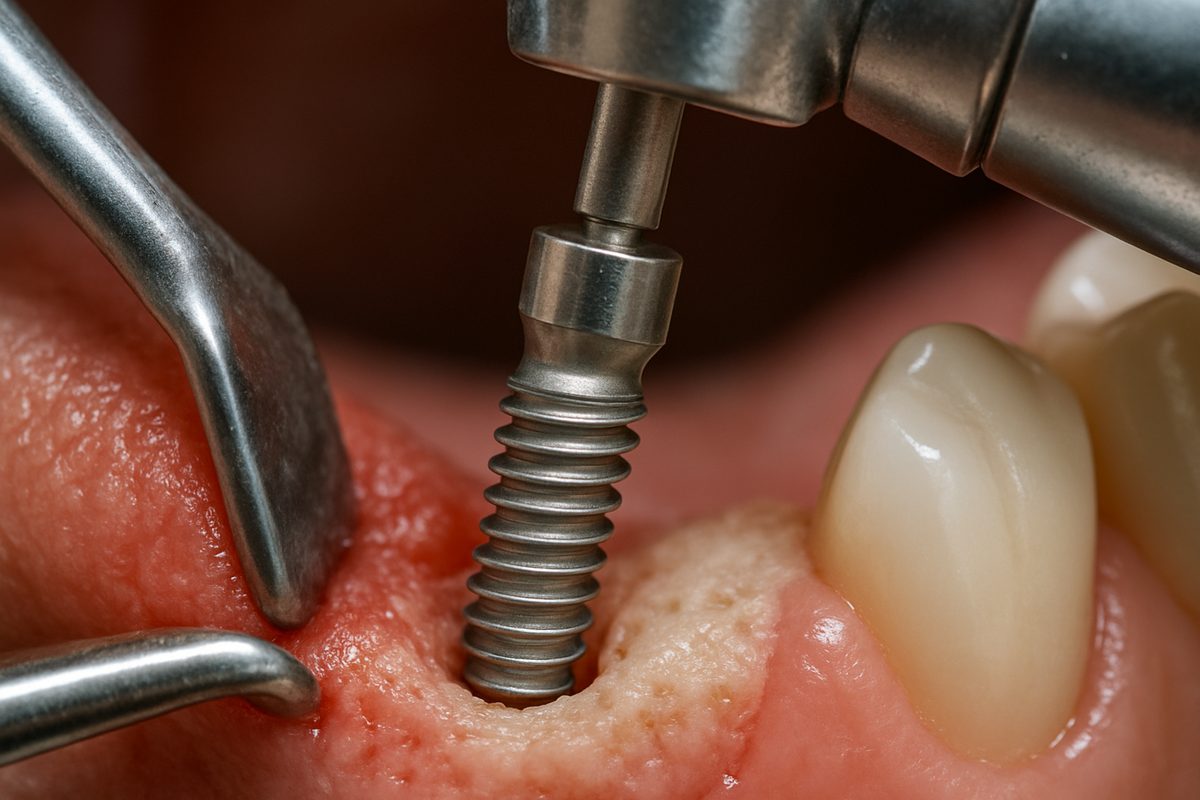
A metal implant is an artificial tooth root, most often made from titanium or a titanium alloy. Titanium is used because it bonds well with bone through a process called osseointegration. Over a few months, the bone grows tightly around the implant, creating a stable base for a replacement tooth. The term “metal implant” refers to this metal post and its integration with your jaw.
Key Benefits of a Metal Implant
Strength and long-term durability
Metal implants are strong and resist breakage. Once they integrate with the bone, they act much like a natural tooth root and can support chewing forces for many years with proper care.
High success rates
Clinical studies demonstrate that metal implants have high long-term success rates when placed by trained clinicians using predictable healing and proven protocols, resulting in predictable outcomes for most patients.
Cost and availability
Metal implant systems are widely used and tend to be less expensive than some newer options. Many dental practices offer metal implants, making access and financing options more readily available.
Possible Risks and Drawbacks of Metal Implants
Allergic reactions and sensitivity
True titanium allergy is rare, but it is possible. Symptoms can include persistent gum inflammation, rash, or discomfort. Tests exist to check metal sensitivity before placement if you have concerns.
Gum recession and aesthetics
If the gum tissue is thin or recedes, the metal of an implant or its abutment can show through, affecting the appearance of the tooth, especially in the front of the mouth. In such cases, alternative materials or meticulous soft-tissue management may be recommended.
Medical imaging and other considerations
Metal implants are safe for most scans, but they can create minor artifacts on CT or MRI images. Discuss any medical conditions or implants with your medical team before dental implant treatment.
Are You a Good Candidate for a Metal Implant?
Good candidates typically have sufficient bone volume, healthy gums, and overall good health. Smoking, uncontrolled diabetes, active gum disease, or severe bone loss can reduce success. A metal implant may be recommended when strength and long-term predictability are priorities; it may be avoided if you have known metal sensitivity or high aesthetic demands in the front teeth.
Metal Implant Alternatives
Ceramic (metal-free) implants
Ceramic implants are made from zirconia and offer a metal-free option with excellent aesthetics and biocompatibility. Patients who prefer no metal in their mouth or have thin gums often opt for ceramic implants.
Other tooth-replacement options
Bridges and removable dentures replace teeth without the need for implants. They can be less invasive or cheaper in the short term, but may affect adjacent teeth or require more maintenance.
How We Evaluate and Place Implants
Evaluation begins with a comprehensive exam, digital X-rays, and CBCT imaging to accurately map the bone and nerves. We create a treatment plan, discuss materials, and review risks. Placement is done under local anesthesia; many patients experience minimal discomfort. Follow-up care and good oral hygiene are essential for success.
About Dental Specialists & Implant Center and Dr. Adriana Wells
Board-certified periodontist Dr. Adriana Wells leads Dental Specialists & Implant Center in The Woodlands, TX. The practice utilizes CBCT imaging, an in-house laboratory, and offers both metal implant and ceramic options, delivered with advanced training and a patient-centered approach.
Making Your Decision & Next Steps
Weigh the pros and cons, consider metal sensitivity testing if necessary, and review your imaging with a specialist to determine whether a metal implant aligns with your goals. Schedule a consultation to discuss your case, explore ceramic alternatives, and receive a personalized plan for restoring your smile.